Introduction
This blog post is set to explore the nature of Raclette. This quintessential Swiss dish has gathered international interest for its unique preparation and communal dining experience, especially during the cold winter months. This post is written with a dual purpose in mind. Firstly, it is informative for culinary enthusiasts and cultural scholars…
A
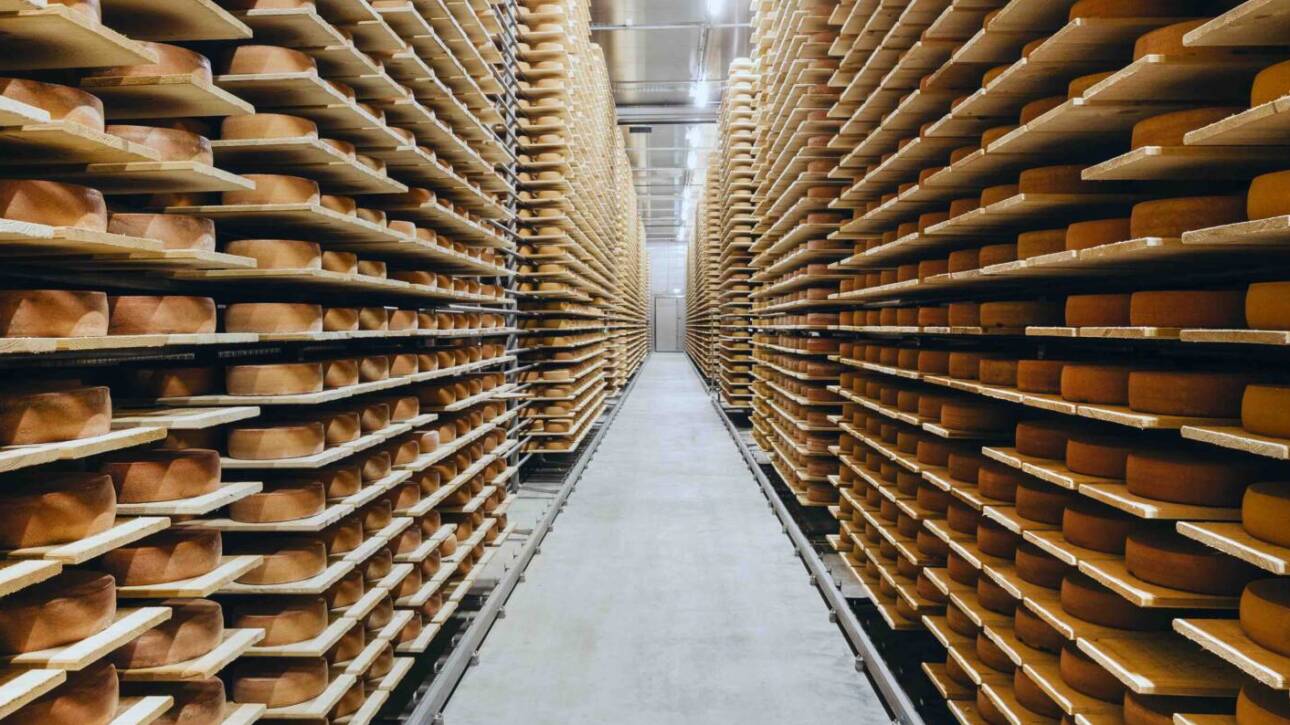
Ageing: Also known as affinage Affinage: The ageing process of cheese in a controlled environment. Cheeses are stored at specific temperatures and humidity levels during affinage to develop flavour and texture. This process can vary in length, depending on the type of cheese. Annatto: A natural colouring agent derived from the seeds of the achiote…
You want to read this article from the beginning? Please click here for part 1.
Pressing and Shaping
After curds are cut, cooked, and stirred, they are transferred into moulds. These moulds are designed to shape the cheese and allow further whey expulsion. The shape and size of the mould vary depending on the cheese…
Cheese-making is a fascinating combination of art and science. Every step in the process, from choosing the right milk to implementing suitable ripening methods, contributes to the creation of distinct flavours, textures, and aromas that define different types of cheese. The art of making certain cheeses has been passed down from generation to generation. Each…
Microorganisms in Cheese
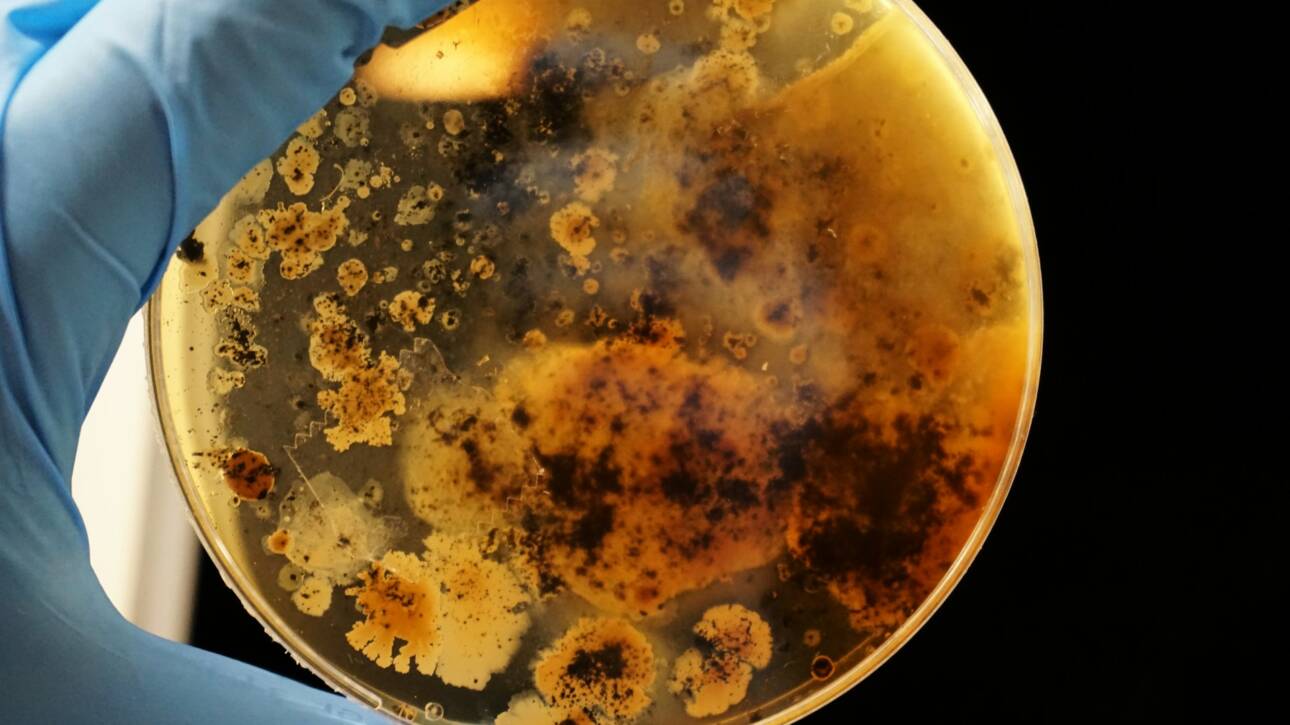
Cheese is a complex ecosystem teeming with bacteria, yeasts, and moulds. More than 100 different microbial species can easily be found in a single cheese type, making cheese not just a food but an ecosystem of microbial life. Microorganisms, mainly lactic acid bacteria (LAB), are essential in the cheese-making process. They convert…