Mikroorganismen - die unsichtbaren Helden im Käse
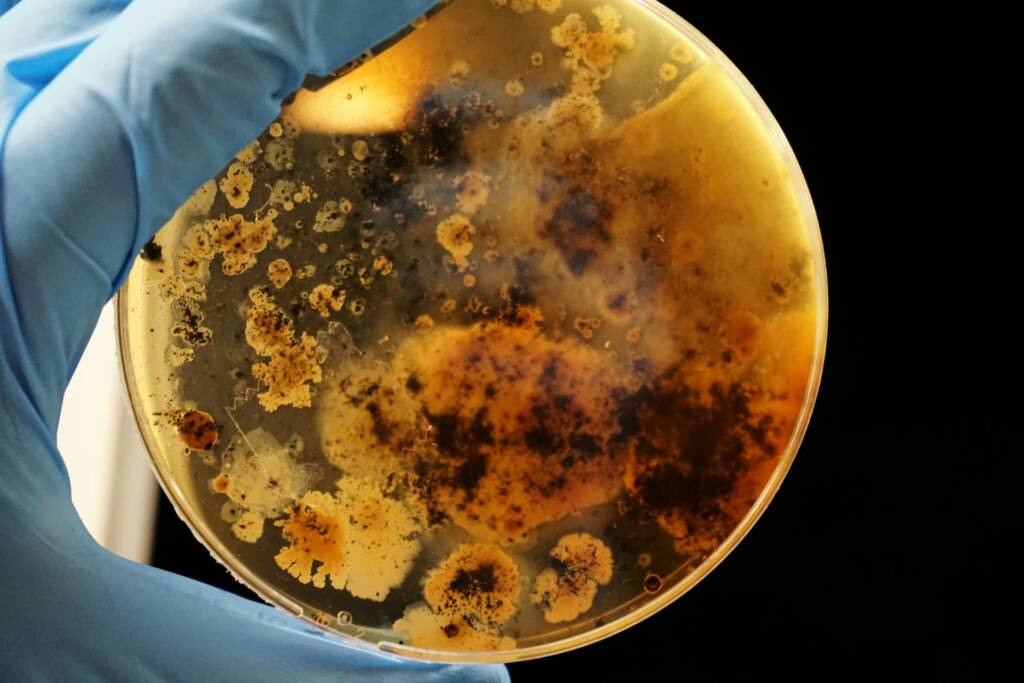
Käse ist weit mehr als nur ein Lebensmittel, er ist ein lebendiges Ökosystem. In einem einzigen Käse können über 100 verschiedene Mikroorganismen vorkommen: Bakterien, Hefen und Schimmelpilze, die gemeinsam für Geschmack, Aroma und Textur sorgen.
Im Zentrum stehen dabei die Milchsäurebakterien. Sie verwandeln Milchzucker (Laktose) in Milchsäure, ein entscheidender Schritt in der Käseherstellung. Diese Kulturen werden gezielt eingesetzt und prägen den Charakter jedes Käses. Sie sorgen nicht nur für die richtige Konsistenz, sondern entwickeln auch die feinen Aromen, die guten Käse ausmachen. Gleichzeitig schützen sie den Käse, indem sie unerwünschte Keime in Schach halten

In der Schweiz werden diese Kulturen mit höchster Sorgfalt gepflegt. Organisationen wie Agroscope arbeiten gemeinsam mit spezialisierten Partnern daran, tausende von Bakterienstämmen zu erhalten und weiterzuentwickeln. Aus rund 12’000 gesammelten Kulturen entstehen genau die Mischungen, die es für unterschiedliche Käsesorten braucht , abgestimmt auf Geschmack, Reifung und Charakter.
Zwei Welten der Käsekulturen
The different types of cheese cultures used in cheese making are primarily mesophilic and thermophilic cultures.
Mesophilic cultures: These cultures work at lower temperatures (32°C) and are used for various cheeses ranging from fresh, young, and medium-aged cheeses, including Gouda, Cheddar, Chèvre, Muenster, and Camembert. Two Swiss examples are Gruyere and Emmentaler.
Thermophilic cultures: These cultures thrive in higher heat (above 32°C) and are usually used for longer-aged cheeses type cheeses like Parmesan, Provolone, and Asiago. While thermophilic cultures are primarily associated with these harder cheeses. thermophilic cultures can be used to make a variety of soft cheeses, including Mozzarella and some Alpine Tomme-style cheeses.
The Microbial World of Cheese Rinds
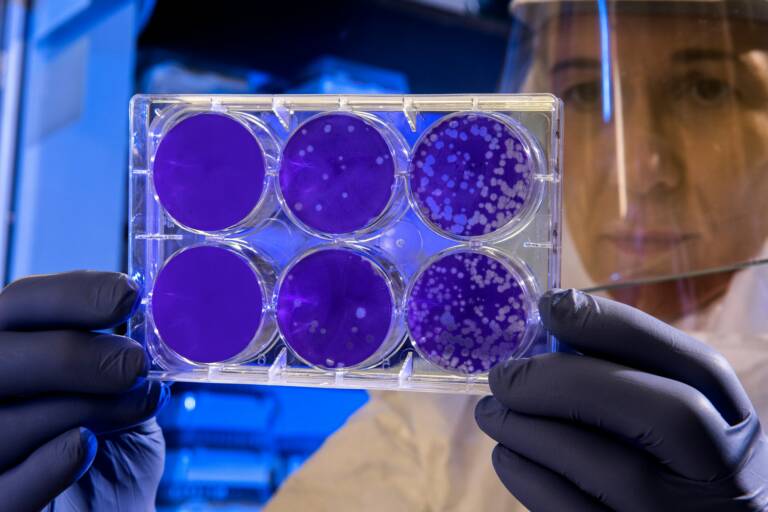
The rind of good cheese is a thriving microbial community, with a single gram containing 10 billion microbial cells, a mix of bacteria and fungi that contribute to the delicious and unique flavours of the cheese. These microorganisms are responsible for the many biochemical reactions occurring during ripening. The microbial communities of cheese rinds range from simple to complex assemblages, harbouring various bacteria, yeasts, and moulds. These microorganisms vary in abundance and diversity during the cheese ripening process, depending on the type of rind (bloomy, washed, or natural) and the technology used (soft, hard, or semi-hard).
Bloomy rind: Bloomy cheese rinds, such as those found on Brie and Camembert, are heavily inoculated with fungi to create a dense rind that is usually white in appearance. The development of the bloomy rind involves the growth of specific moulds during the ageing process.
Washed rind: The microbiology of washed cheese rind is complex, involving a combination of Corynebacteria, Micrococci, moulds, and yeasts. The development of the washed rind involves the growth of specific bacteria, particularly Corynebacteria, once the pH has increased due to the degradation of lactate by the yeasts and moulds.
Natural rind: These cheese rinds are largely untouched during ageing, allowing for the development of a natural rind. The microbial communities of natural rind cheeses are diverse and can include a variety of bacteria, yeasts, and moulds, contributing to the unique characteristics of each cheese.
How do microorganisms help preserve cheese?
Lactic acid bacteria help prevent cheese spoilage through various mechanisms. These bacteria contribute to the production of lactic acid, which lowers the pH of the cheese, creating an acidic environment that inhibits the growth of spoilage microorganisms, such as pathogenic bacteria, yeasts, or moulds. Additionally, LAB can produce antimicrobial substances, such as bacteriocins and antifungal peptides, which exhibit a broad inhibition spectrum against spoilage bacteria and fungi, thus helping to control and limit the growth of these undesirable microorganisms in cheese.